When I became Training Manager at Plateful Café, I brought almost twenty years of hospitality experience with me. I understood kitchens, service and the pressures of the industry, but this role taught me to look at hospitality in a completely different way. It showed me that a kitchen can be more than a workplace: it can be a place where people rebuild confidence, discover their abilities and begin to see new possibilities for themselves. My main responsibility was to design and deliver an eight-week training programme for six learners from refugee and asylum-seeking backgrounds. The programme covered the practical foundations of working in a commercial kitchen, including food safety, knife skills, vegetable preparation, cooking techniques, mise en place, teamwork and kitchen communication. As the course progressed, learners also took part in mock services, independent practical tasks and employability sessions designed to prepare them for the realities of applying for and starting work. However, the most meaningful changes were not always the ones that could be measured through a practical assessment. The group began the programme with different levels of English, previous experience and confidence. Some learners were comfortable speaking up, while others needed more time and encouragement before they felt able to ask questions or work independently. This meant adapting how I trained: using demonstrations, visual resources, repetition and clear language rather than relying solely on written instructions. Watching participants become more comfortable in the kitchen was incredibly rewarding. Over time, people who had initially waited for reassurance began organising their own workstations, communicating with teammates and completing tasks with greater independence. Skills that appeared small on paper, calling out clearly, checking a temperature, preparing ingredients consistently or asking for help, represented important steps towards feeling capable and work-ready. The experience also had a significant impact on me. I have always enjoyed training people, but Plateful helped me understand the difference between simply showing someone how to complete a task and creating an environment in which they feel safe enough to learn. It strengthened my patience, adaptability and ability to recognise progress that might otherwise be overlooked. It also reminded me that good training begins with understanding the person in front of you. There were challenges. Delivering meaningful training with limited kitchen access and learners starting from different points required flexibility and creativity. Yet those challenges reinforced the importance of programmes like this. Refugees and asylum seekers often bring determination, knowledge and valuable life experience, but may face barriers that have little to do with their potential. Plateful Café helps bridge that gap. It combines practical hospitality training with encouragement, structure and a genuine sense of belonging. For participants, it can be a step towards employment, independence and renewed confidence. For me, it has been an opportunity to grow as a trainer and to contribute to work with a clear social purpose. I leave the Training Manager role proud of what we created and even more convinced that, when people are given the right environment and support, their potential can flourish. – Sam Carter
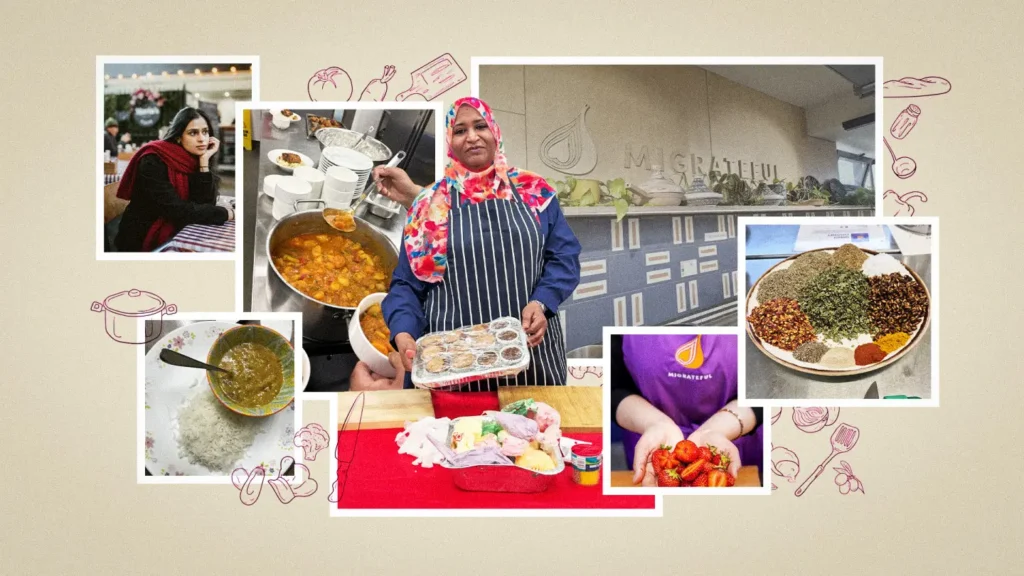
Plateful Cafe was recently featured in UnFeatured Anthony Bourdain once declared the dinner table The Great Equalizer: a space where division melts into unity over aromas and flavours that speak to us in a tongue that the mind doesn’t need to understand. Iolanda echoed him. “When you sit down and eat together, you forget where you’re coming from and just concentrate on the food you’re eating,” she said over a crackly phone call. “It breaks down so many barriers.” With inequality, xenophobia and ethno-nationalism surging across Europe, are dinner tables not more important than ever? To find out, I got in touch with two social enterprises in London and Rotterdam serving up much more than food. One Tbsp. Community Iolanda Chirico is the founder of Plateful Café, a London-based social enterprise that connects refugees with local communities through food. The initiative centres around a team of refugee chefs preparing dishes from their country of origin for pop-up events or catering services. “Every event we do, people forget that the food has been cooked and served by refugees,” Iolanda said. “They just see them like a chef coming from anywhere… the barriers are down.” Read the full article in UnFeatured
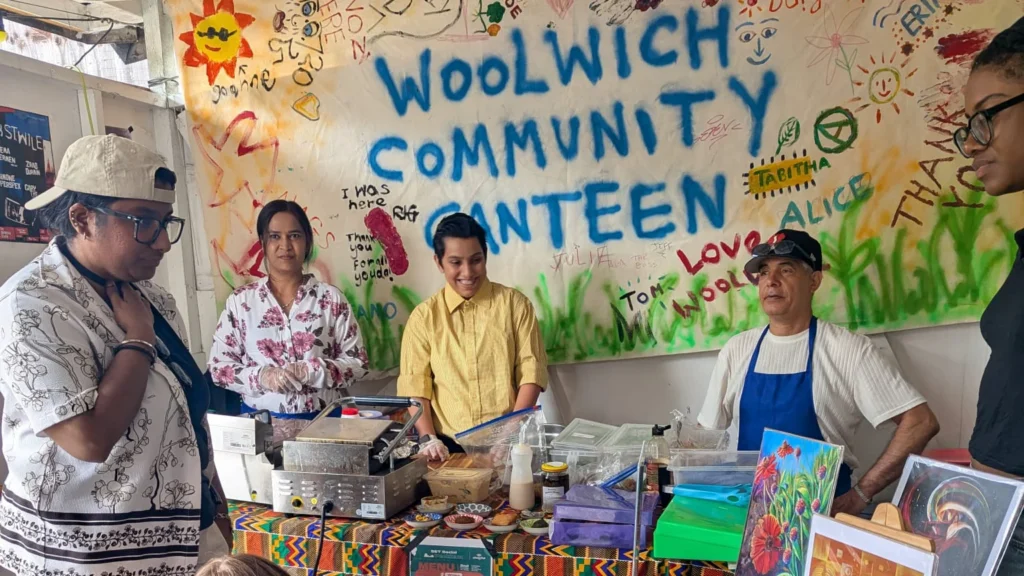
On the 2nd of August, Plateful Café headed to SET Social in Peckham. Though the event was funded by Southwark Council, the day was truly made through the collaborative effort of Raze Collective, TRIBE and Sounds Between. Between these three organisations, they fostered an atmosphere of inclusivity and, central to Plateful’s mission, a strong sense of community. The stalls were a mixture of individuals selling pre-loved clothes and jewellery and artisanal goods; mutual aid bake sales; and information about queer-inclusive services. These were run by some amazing people with whom I had the privilege of talking to throughout the day. We were all genuinely interested in learning more about the cause the other championed. The curiosity didn’t end there as people regularly approached to ask about the food we had on offer. Many remarked that it was the lovely smells that drew them in. The Plateful menu featured its well loved classics — falafel, samosas, vine leaves — alongside a newer addition: Humitas, a traditional South American dish that offered a slight deviation from the Middle Eastern flavours Plateful has come to be associated with. Naturally, this brought some intrigue and hesitation from customers. Those who ventured out of their comfort zone were duly rewarded with the rich, buttery corn filling and subtle cheesy flavour. Even if this doesn’t ordinarily sound like your cup of tea, I strongly urge that you try it when it next appears on a Plateful menu. At the forefront of this successful day were our three chefs – Kin, Tin and Mehti. Although it was Kin and Tin’s first time in a role of this nature, neither were daunted by what was asked of them. On the contrary, they remarked that the number of customers we served allowed them to gain lots of valuable new experiences and on the whole, it was a truly great day. I too can attest to this. Guided by Mehti, they quickly picked up the technique of filling and rolling wraps while keeping up with orders. No customer had to wait too long thanks to the delivery of high quality dishes and the team’s solid communication throughout. The three of them embodied teamwork during the time I spent with them. This was valuable time for me as well. It was a great opportunity to learn more about the chefs themselves. We spoke about their lives before they came to the UK, their eyes lighting up as they told me about their former professions and the places they had travelled to. It was amazing to hear about the languages everyone spoke or hoped to learn, and about their visions for the future. Being able to connect with people is one part of the role I know I’ll never tire of. As Mehti rightly remarked at the end of the day, “we all helped each other, and we were like a family.” So, a huge thank you once again to the various organisations whose passion gave Sunday its true community feel. And a special thank you to my three coworkers for the day: Kin, Tin and Mehti, whose spirit made the day so enjoyable.
Plateful Cafe was recently featured in a story form The New Arab. Keeping hold of tradition For migrants and refugees, food plays a huge role in helping them connect with communities and fostering a sense of belonging and creativity. Plateful Cafe is a refugee-led charity which helps refugees build the skills needed to enter the UK workforce. Maysoon Mohamed, from Sudan’s Nubian community, is one of the charity’s chefs. “My father was an agricultural engineer, so because of his work we moved to different cities across Sudan every four or five years,” Maysoon tells The New Arab. “That gave us the chance to experience different cultures, traditions, and foods.” Maysoon started her own business, Nubian Delights, to preserve her family’s culinary traditions and introduce them to people in the UK. She bakes a range of traditional Sudanese treats, including kahak (sugar-coated cookies), petit fours (butter cookies), basbousa (semolina cake), kunafa (a cheese-and-syrup dessert), and bastah (baklava). Read the full article on The New Arab website.
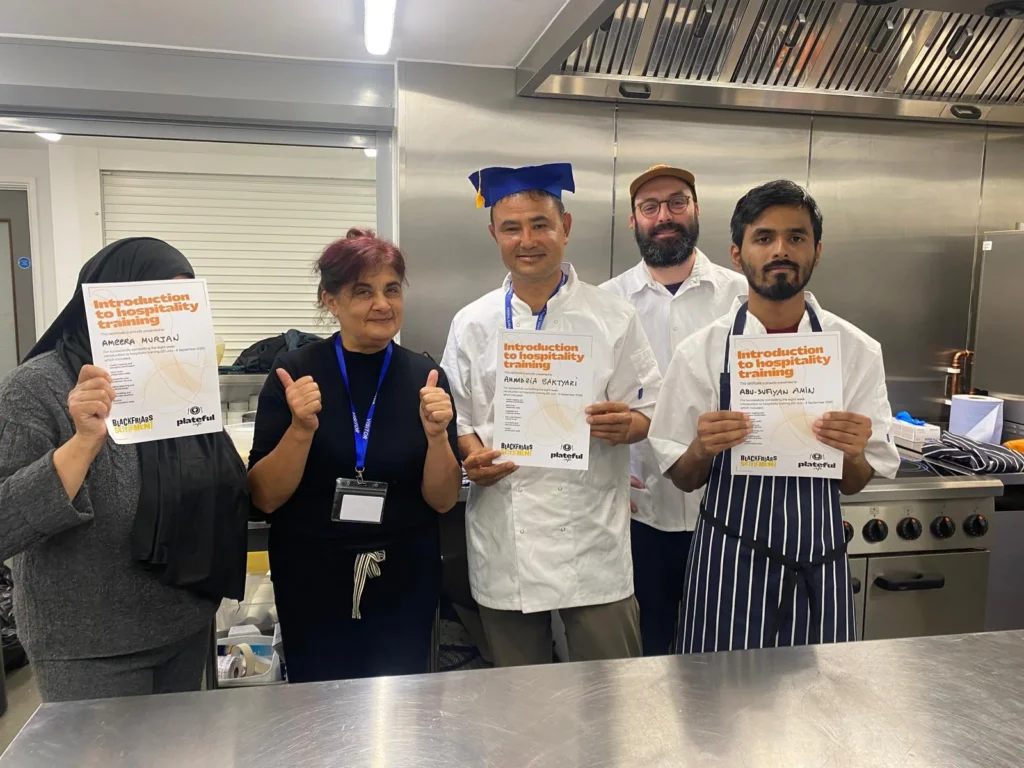
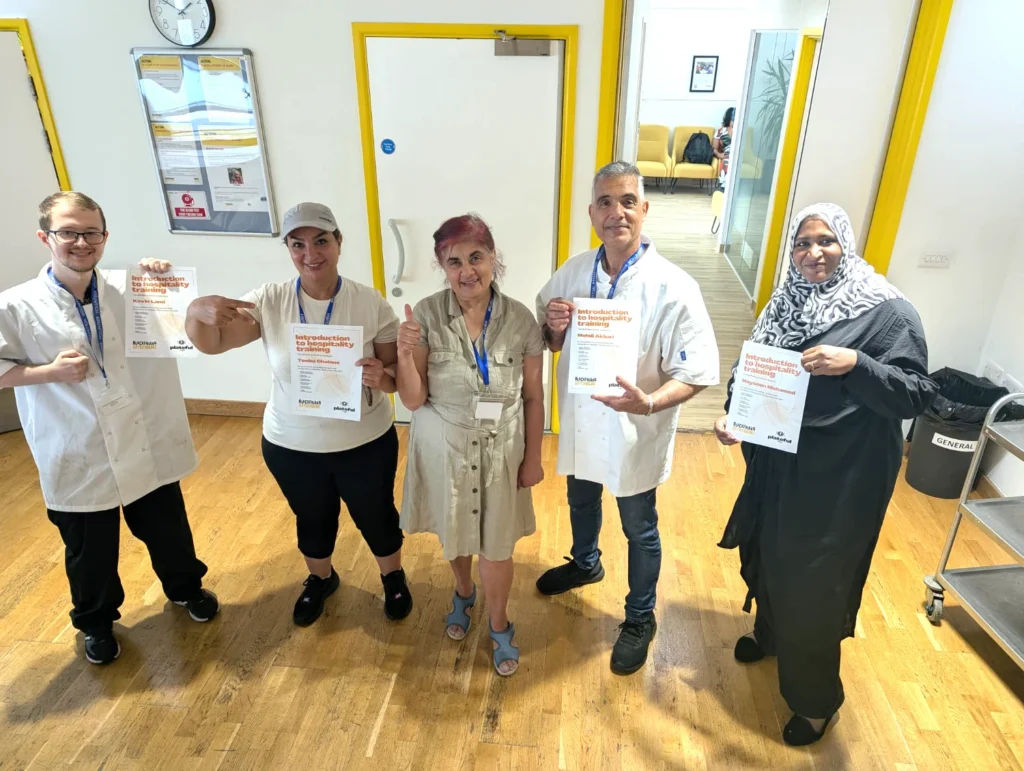
Building Skills, Confidence and Community Through Food Securing a commercial kitchen at Blackfriars Settlement has enabled Plateful Café to relaunch its hospitality training programme and continue supporting refugees and people seeking asylum on their journey towards employment, enterprise and social inclusion. Our Introduction to Working in Hospitality programme ran from 13 April to 30 June 2026, with five participants from Sudan, Albania and Iran successfully completing the course. Delivered over eight weeks, the programme combined practical kitchen training with English conversation sessions, providing participants with both vocational skills and opportunities to improve their confidence in spoken English. Training sessions took place every Monday and Tuesday from 10:30am to 1:30pm, followed by a dedicated one-hour English conversation class led by volunteer tutors. Skills and Knowledge Gained Participants developed a broad range of hospitality skills, including: Professional kitchen rules, hygiene and food safety Safe use of kitchen equipment and utensils Knife skills and vegetable preparation techniques Stocks, mirepoix and flavour development Soup preparation, including clear and thick soups Sauce-making and thickening methods Cooking methods including boiling, sautéing and roasting Menu planning and teamwork Food storage and temperature control Allergen awareness and food labelling COSHH and workplace safety procedures Waste management and sustainability practices Basic baking, bread-making and pastry skills The programme was designed not only to teach technical skills but also to prepare participants for the realities of working in a professional kitchen environment. Participant Feedback Developing Professional Kitchen Skills Participant Mojdeh Gholami reflected on the importance of learning industry standards: “If we want to work in a kitchen or a hotel, we need this kind of training to learn how to follow hygiene standards and kitchen procedures.” Mojdeh highlighted learning about food safety, allergen awareness, portion control and food preparation techniques, describing the course as providing “everything that is essential to know about working in a professional kitchen.” Building Knowledge and Confidence Kevin Lami spoke enthusiastically about the breadth of knowledge he gained throughout the course, including: Kitchen hierarchy and professional roles Kitchen equipment and utensils The five mother sauces Colour-coded chopping boards and knife safety Food allergens COSHH regulations Temperature control and food storage Food labelling procedures Vegetable preparation and knife cuts Bakery and pastry techniques Kevin described the programme as an “unforgettable experience” and expressed gratitude for the opportunity to learn in a supportive environment. Supporting Refugee Entrepreneurship For participant Maysoon Mohammed, the programme provided much more than practical skills. As the founder of Nubian Delights, Maysoon already had significant baking experience but lacked opportunities to develop and promote her business in the UK. Through Plateful Café she accessed: Hospitality training Cake decorating sessions Cooking workshops Opportunities to cook with children Business promotion opportunities through Plateful Café events Maysoon shared: “They don’t focus on the barriers people face – they recognise the skills and experiences we already have.” She credits the support received through Plateful Café with helping her grow her business, expand her product range and gain confidence as an entrepreneur while sharing Sudanese culture through food. Personal Growth and Integration Participant Jafar Mohammed highlighted the wider benefits of the programme: “I learned how to take care of food and avoid wasting it. I also learned how to bake cakes and bread and many other tasty dishes.” Importantly, Jafar reported improvements in teamwork, workplace behaviour and spoken English through regular practice with staff, volunteers and fellow participants. He described the programme as giving him “a new chance in life.” English Conversation Sessions Alongside practical training, participants attended weekly English conversation sessions delivered by volunteer tutor Dorota. These sessions focused on hospitality vocabulary, kitchen procedures and workplace communication, helping participants build confidence using English in a professional environment. The discussions also became an opportunity for cultural exchange, with participants sharing traditional dishes, cooking techniques and food traditions from Iran, Sudan and Albania. Dorota reflected: “We talked about kitchen protocol, hygiene, equipment and professional kitchen practices, but best of all we talked about food.” The sessions created opportunities for participants to practise conversational English while celebrating their cultural heritage and learning from one another. Topics included: Traditional family celebrations National dishes and ingredients Food traditions across different cultures Baking and pastry-making Shared culinary influences across countries These conversations helped strengthen relationships, build confidence and create a welcoming learning environment where participants felt valued for the knowledge and experiences they brought with them. Programme Impact The programme has demonstrated how practical hospitality training can support refugees and people seeking asylum to rebuild confidence, develop employability skills and strengthen social connections. Key outcomes included: Employment and Skills Increased understanding of professional kitchen operations Improved food hygiene and safety knowledge Development of practical cooking and baking skills Greater awareness of workplace standards and expectations Confidence and Communication Improved spoken English through regular conversation practice Increased confidence working as part of a team Enhanced ability to communicate in a workplace setting Enterprise and Progression Support for participants interested in self-employment and food enterprise Opportunities to showcase culinary skills and cultural heritage Greater confidence in pursuing employment and business opportunities Community and Inclusion Reduced isolation through group learning Cross-cultural exchange and understanding Stronger social networks and sense of belonging Looking Forward The successful completion of this first training programme marks an important milestone in the development of Plateful Café’s new training provision at Blackfriars Settlement. By combining practical hospitality training, English language support and community-building activities, the programme demonstrates how food can be a powerful tool for empowerment, integration and opportunity. We look forward to welcoming future cohorts and continuing to support refugees and people seeking asylum to build skills, confidence and brighter futures through hospitality.
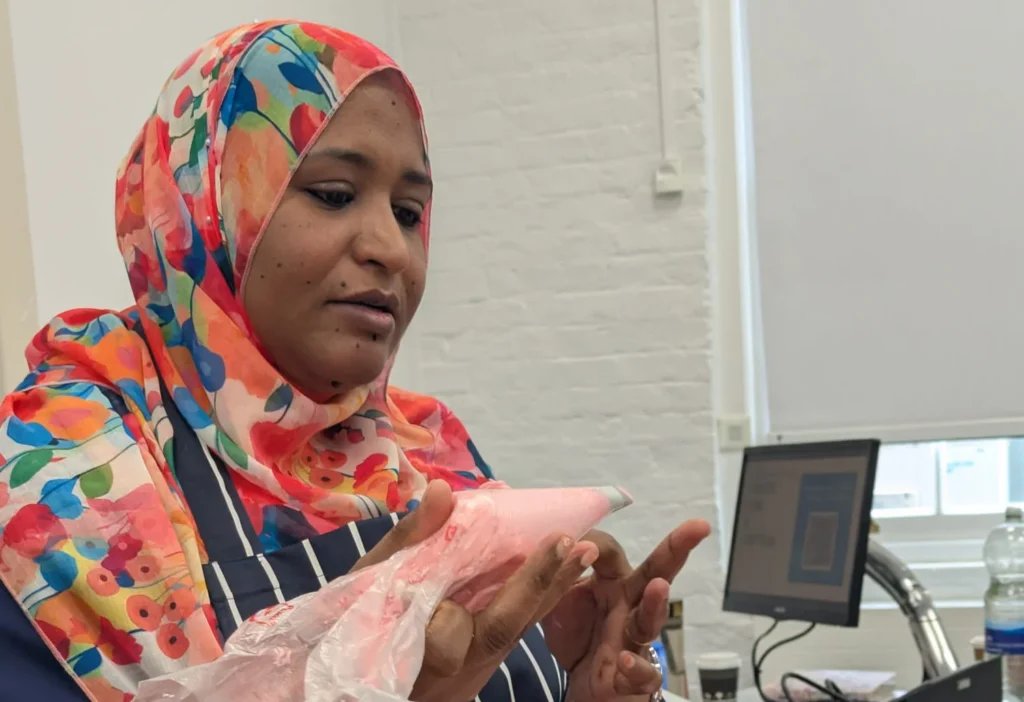
A Taste of Home: Maysoon’s Journey from Sudan to Building Nubian Delights in London When Maysoon Mohammed talks about food, she isn’t simply talking about recipes. She’s talking about family. She’s talking about culture. She’s talking about belonging. And through every cake, biscuit, and traditional Sudanese dessert she creates, she’s sharing a piece of her story. Growing Up Between Cultures and Kitchens Maysoon comes from the Nubian community in Sudan, where food is at the heart of family life. “My father was an agricultural engineer,” she explains. “Because of his work, we moved to different cities across Sudan every four or five years.” Those moves exposed her to the rich diversity of Sudan’s regions, each with its own traditions, flavours, and culinary heritage. But it was in her grandmother’s kitchen that Maysoon’s lifelong passion began. “I started learning to bake when I was about ten years old. My grandmother taught me everything. At first I helped knead dough and shape pastries, and by the age of fifteen I could cook most traditional Sudanese dishes on my own.” More importantly, her grandmother taught her something that has stayed with her ever since: “Cooking isn’t just about following a recipe. It’s about sharing love.” Starting Again in a New Country Like many refugee and migrant families, Maysoon and her husband made the difficult decision to leave Sudan and build a new life in the UK. “We wanted our children to have a stable future and access to good educational opportunities.” It meant leaving behind family, friends, and the support network they had always known. “It wasn’t easy. In Sudan, you’re never really alone. Family and neighbours are always around. When we arrived in the UK, everything felt very different.” One of the biggest challenges was language. “Although I had a good education, I wasn’t confident speaking English, and that made finding work difficult.” Adjusting to a new culture, different weather, and life far from family brought additional challenges. But Maysoon was determined to create opportunities for herself and her family. Slowly, she began building confidence by improving her English, attending courses, meeting new people, and becoming involved in community organisations. Food as a Connection to Home For Maysoon, food remains one of the strongest connections to her heritage. “In Sudan, meals are about much more than eating.” She fondly remembers gathering every afternoon with family around the table to share the day’s main meal, discussing plans, sharing stories, and spending time together. Later in the evening came another cherished ritual: milk tea served with traditional treats such as Lugaimat and homemade biscuits. “Relatives and neighbours would often join us. There was always conversation, laughter, and a feeling of togetherness.” These memories continue to inspire her cooking today. Turning Passion into a Business Wanting to preserve her family’s traditions and introduce Sudanese culture to new audiences, Maysoon founded Nubian Delights. What began as a way to share traditional Sudanese baking has grown into a thriving business. She started by creating authentic favourites including Kahak, Petit Four, Basbousa, Kunafa, and Bastah. As demand grew, so did her range. Today, alongside traditional Sudanese desserts, Maysoon also creates beautiful celebration cakes, cupcakes, and bespoke baked goods while remaining firmly rooted in her heritage. Every order tells a story. Every bake celebrates culture. Every customer experiences a small taste of Sudan. Passing Culture to the Next Generation Despite building a new life in the UK, Maysoon is passionate about ensuring her children remain connected to their Sudanese roots. “Food helps my children understand where they come from.” Traditional meals are a regular feature of family celebrations, and her children often take Sudanese dishes to school International Days to share their culture with classmates. “It’s something they’re proud of, and that makes me very happy.” Through Nubian Delights, Maysoon is also helping others discover Sudanese food for the very first time. Finding Confidence Through Plateful Café When Maysoon discovered Plateful Café, she immediately felt she had found a place where her skills and experience would be valued. “What stood out to me was that they don’t focus on the barriers people face. They recognise the skills and experiences we already have.” Through Plateful Café, Maysoon completed training in cake decorating, hospitality, cooking classes, and cooking with children. The experience helped her develop new skills, grow her confidence, and strengthen her business. “Plateful Café also gave me opportunities to promote Nubian Delights and introduce more people to Sudanese baking.” Today, her business continues to grow, reaching new customers and expanding its offerings while remaining true to its roots. More Than Food When asked what she loves most about Sudan, Maysoon doesn’t hesitate. “The people.” “No matter what challenges Sudan faces, people support one another. Neighbours are like family, homes are always open, and everyone is willing to help.” That same spirit of generosity and hospitality is reflected in everything she creates. Whether she’s baking traditional Nubian treats, preparing celebration cakes, or sharing recipes with others, Maysoon continues to build bridges between cultures through food. Her journey is a powerful reminder that refugee entrepreneurs bring not only resilience and determination, but also skills, traditions, creativity, and culture that enrich our communities. And through Nubian Delights, Maysoon is ensuring that a treasured piece of Sudan continues to flourish in London. Discover More To learn more about the work of Plateful Café and how we support refugee chefs and entrepreneurs to build skills, confidence and careers through food, visit our website. You can also follow Maysoon’s baking journey through Nubian Delights, where traditional Sudanese baking meets beautiful celebration cakes, cupcakes and desserts. Instagram: @nubiandelightslondon
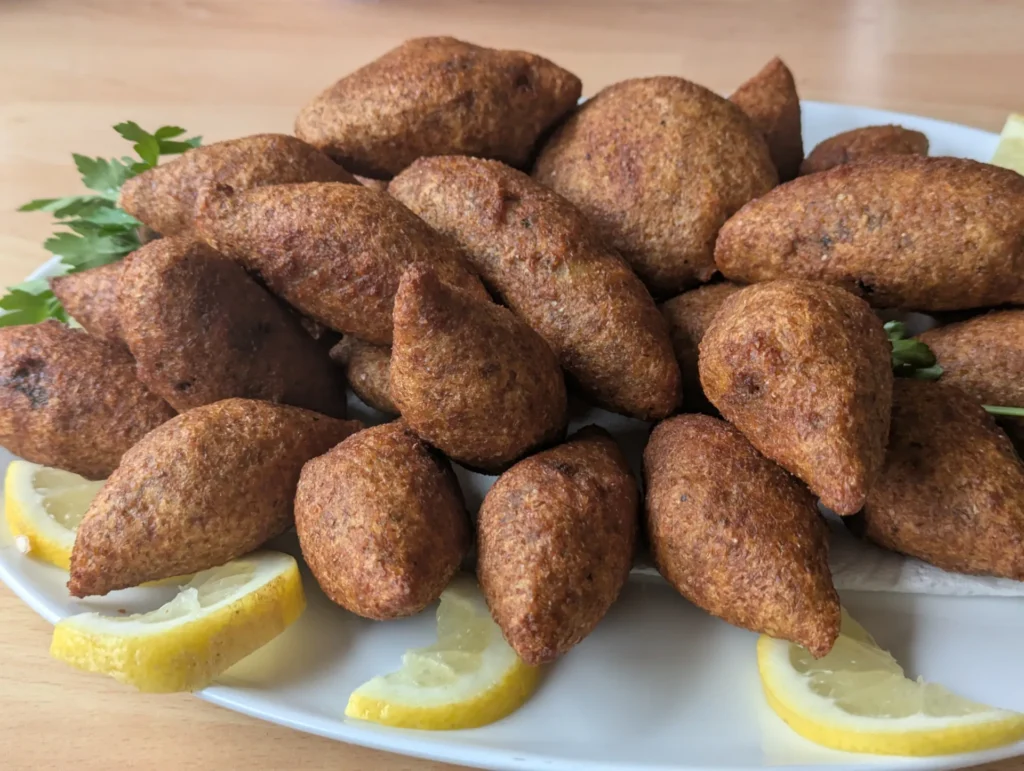
A Taste of Syrian Cuisine Syrian cuisine is known for its diverse and flavourful taste reflecting the history and culture of the country. Examples of Syrian cuisine include: Hummus: A creamy dip made from blended chickpeas, tahini, lemon juice, and garlic. Kofta Kabab: consisting of grilled meat, the lamb is mixed with garlic and parsley, grilled and served. Falafel: made of cilantro, yellow onion, garlic gloves, cumin and coriander. These dishes are not only delicious, they are also rich in flavour and traditional spices. Kibbeh is considered to be the national dish of Syria, this dish is made from onion, ground beef or lamb, burgul, onion puree and spices, the dough is processed, whilst all ingredients are added to the burgul. The product is then baked, fried, cooked or grilled. At Plateful Café, every meal is a celebration of flavours, community, and creativity. All Syrian cuisine dishes have a story. It could be a cherished family recipe or a new chef or individual discovery, the food of Syria claims a rich cultural heritage and spirit. This means cooking which celebrates Syrian culture and community, but also cooking which brings together all communities and cultures here at Plateful Cafe. Please join us as we continue to explore this food adventure. Please stay connected for more recipes, stories, and culinary adventures. Also don’t forget to subscribe and follow us on Instagram for our latest updates!
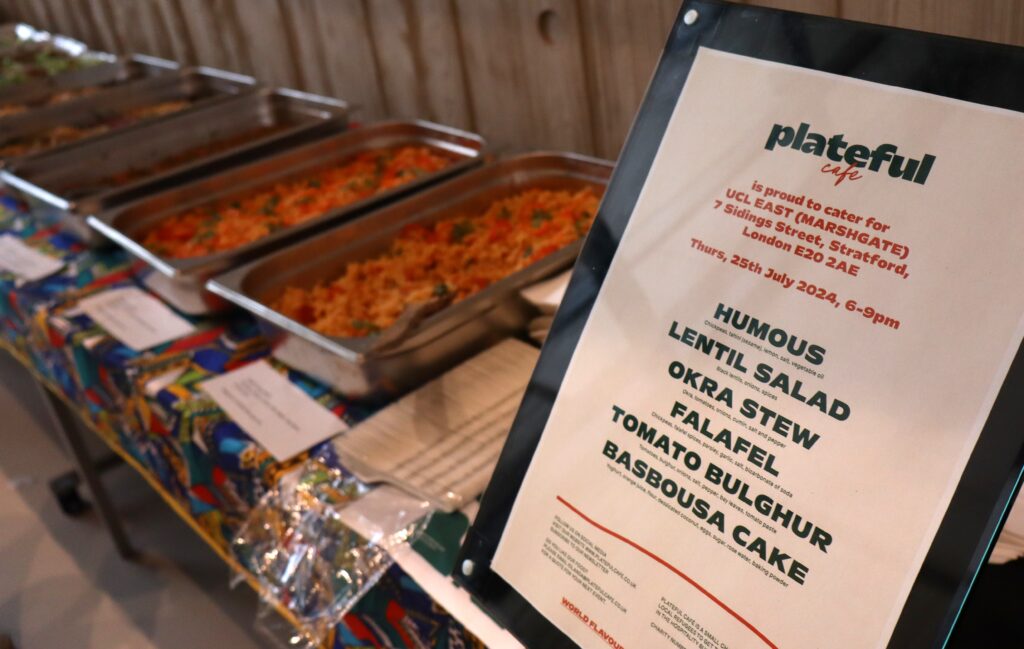
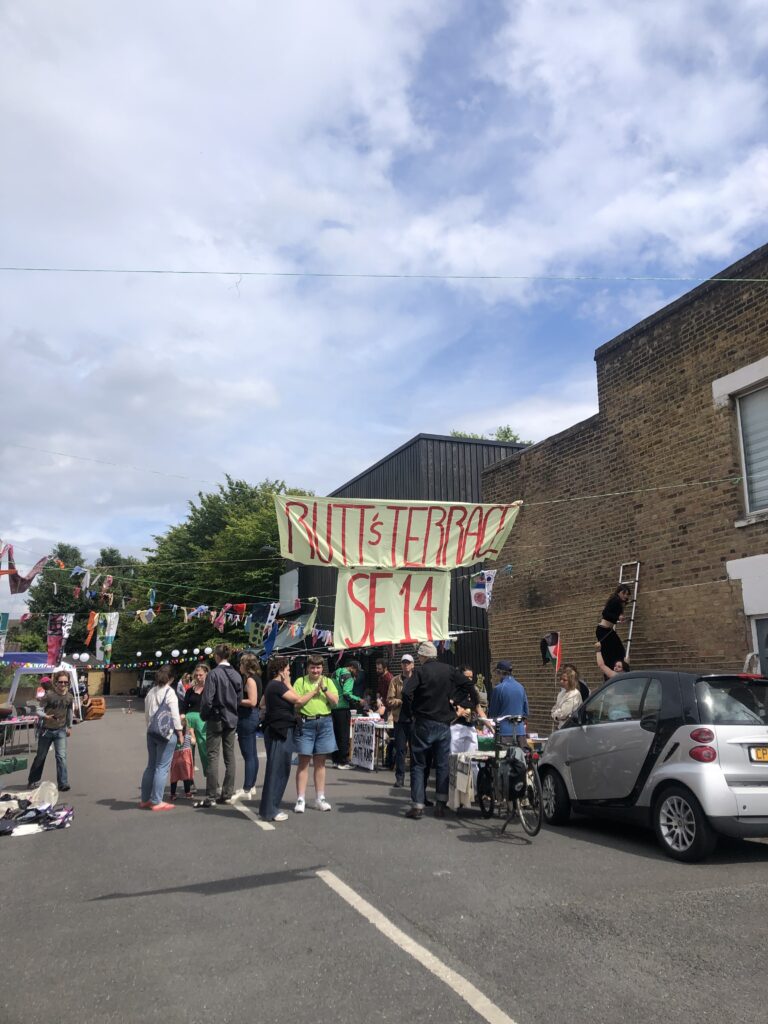
Good day everyone. I hope you are enjoying your summer 2024. At Plateful Café we are as busy as ever despite not having a permanent place yet. We are exploring different opportunities to secure at least a commercial kitchen to continue to cook for events and make our products. Summer 2024 Events We are in consultation with Magdalen Hall in SE1 to cook for their events and the same with Stanstead Lodge in SE6.The first event at St Magdalen is on the 10th of August when we will be providing all the food for their Summer Fayre. We have also started a new collaboration with Pistachio in the Fields Cafe and are thrilled to sell our merchandise at their Care for Calais fundraiser on August the 15th. They have also graciously agreed to display and sell our paintings in the café for one month. We are also looking for new premises to share with GRACE Refugee Aid and are exploring the use of kitchens in local schools after school hours. We were thrilled to be at the Rising Sun collective street party on the 13th of July and forge new collaboration. The street party was a huge success with our food selling out in 4 hours. We cant wait to go back and take part in a Latin Fiesta this summer which we are planning together for August. July & August We continue to cater for the events and this month we are delighted to cater for University of Central London on the 25th of July. We are also starting to cater for wakes. The first wake is on the 10th of August to celebrate the life of Anne Hignett our long-term supporter and volunteer who passed away in July. Anne was an incredible lady who helped for years with cooking, driving, assisting the café and befriending. Anne recruited also other helpers and supporters and to this day they are still supporting our charity by mainly attending our dinners. She truly cared for our beneficiaries and showed a great commitment to their long-term future. She strongly believed they should have the same opportunities as everyone else, rebuild their lives and play a full part in the local society and economy. She was so incredibly happy when we opened the Café last September and visited regularly to have lunch or dinner, bringing family and friends. She was always there and every week she gave at least 2 hours of her time helping with whatever needed doing. We are all missing her incredibly! She was very generous to the very end by also donating her car to Plateful to be driven by one of the refugees when we start a take away service. We are so sad she is gone and may she rest in peace. We will ensure her legacy continues when we open a take away service. We will persevere and continue in our efforts to find a permanent venue with your support and care.
The idea behind Plateful Cafe is simple. We employ refugees with a talent for cooking and they use their skills to share amazing food with the local community. People who could otherwise wait years to enter the UK workforce find meaningful work more quickly, and Londoners benefit from the amazing culture they bring with them. But as much as the idea is straightforward, putting it across visually is not so much. We wanted to show that Plateful Cafe is the place to come for vibrant, healthy food and that doing so will benefit the community. The design also needed to work across the organisation, from the cafe itself to our catering and our market stalls. That’s a hefty brief. So, we kept it simple. We focused on three core parts of our mission and grew the design from there. The Plate As obvious as it sounds, the plate is central to everything we do. A full plate means you’re fulfilled, safe, and not wanting. It also implies arrival, togetherness, and the ability to provide to others. Our plate is one of variety, filled with food from many sources and cultures. We were inspired by an Arabic design to form the border of our logo. This design will show up all across our brand, from jam labels to banners. The Heart But Plateful Cafe isn’t like other cafes – there’s a lot more to it than the tableware, which provides things for people to consume. Somehow, we needed to show that this food is connected with refugees. That it has a social impact. And that it is a warm place of welcome. How better to show this than with a heart? One that isn’t cutesy or kitsch but that unashamedly sits at the core of everything we do. Just like the cafe itself is refugee-led, the logo revolves around the heart at its centre. The Beetroot A plate and a heart go some way to describing our charity, but they miss one crucial thing – our cooking. This was the most difficult part of the design. Should we focus on the process of preparation, with utensils showing the expertise of our chefs? Or should we focus on the chefs themselves, with a chef’s hat? We tried both options, but they weren’t quite right. In the end, we decided that it’s the food itself that helps our chefs connect with the community and vice versa. The humble beetroot shows that we’re a family kitchen, not something manufactured or artificial. Our food is healthy, handmade, and unique. And the cafe itself helps refugees in south London put down roots and flourish in their new environment. Our first design went through a couple of mutations before we were happy with it. We took inspiration from our very own pickled beetroot for the colour palate, and got help creating a custom font for the typography. But the core elements were there to stay – a full plate, a kind heart, and quality, fresh food that helps the community grow. Final Logo
What is Plateful Cafe? Firstly, let’s establish what is Plateful Café? Plateful Café is a social enterprise that connects refugees and local people through a shared love of good food. Our primary objective at Plateful is to establish a physical café where we can serve food lovingly created by our Refugee Chefs. There were a couple of motivations at hand when we decided to set up Plateful Café. First let’s start with the obvious – fantastic food, food is as close as we really get to a universal shared language. In the absence of a common language, food is such an interesting insight into another culture: from the extraordinary precision of sushi to the shared eating experience of Injera, a food popular in Ethiopia. We wanted Plateful to be an insight into the lives and stories of the Refugee chefs who lovingly create the dishes. Whilst much of life is sadly left behind when you are forced to flee your home, knowledge and recipes remain. In this way, food for many of us is so much more than just what’s on your plate. Secondly, the unfortunate reality is that in many charities that involve refugees creating and selling their products, the refugees themselves are detached, or at worst removed, from important decisions and directions the charity takes. At Plateful we are committed to ensuring that every decision we make not only puts the interests of Refugees first but, crucially, is made with Refugees. Finally, we wanted the café and our events leading up to its formation to be a springboard for greater social and cultural cohesion. Today, more than ever, we seem to live in echo chambers. We socialise with the same people, see the same views on LinkedIn, go to the same restaurants. Plateful Café aims to be an antidote to that by creating a space where people from different backgrounds can come together, regardless of social status or background, to share a love of good food. The pay-what-you-can pricing system and the location of the café in a community-owned pub are designed to encourage this kind of interaction. Our Valentine’s Day Dinner on the 15th of February officially marks the start of our journey and it is exciting. We know the journey will most certainly not be a smooth one, but we’ve got a fantastic (growing!) team and we’re all united by a common goal: spreading world flavours by refugee chefs. If you are free, we’d love for you to join us for our dinner later this month: not only to try delicious food but to meet a community of like minded people, all committed to making our society just that bit of a nicer place to be. We hope to see you there.