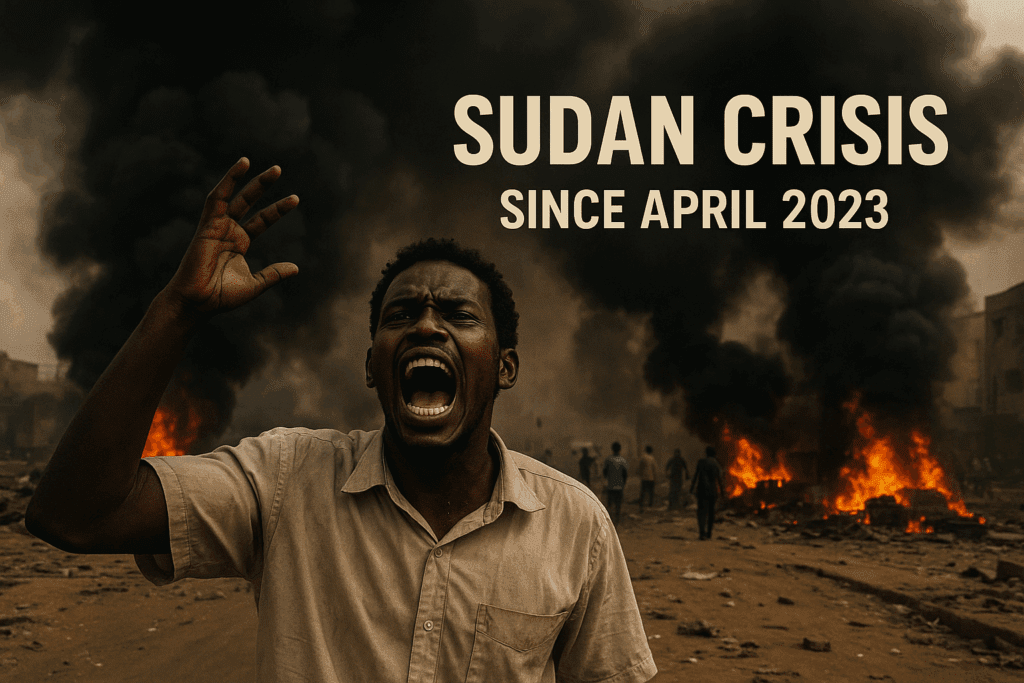
How the war began The current war in Sudan started on 15 April 2023, when the Janjaweed militias, known today as the Rapid Support Forces (RSF), attacked the presidential palace in Khartoum and attempted to capture the head of Sudan’s government, General Abdel Fattah al-Burhan. The Sudanese army fought back and very quickly, fighting spread across the cities. These militias, many of whom came from outside Sudan, committed widespread atrocities: killing civilians, looting, raping, and destroying property. Khartoum city was almost completely destroyed. Wealthier families managed to flee abroad, while many others migrated north or to Al-Gezira state in central Sudan. Humanitarian impact of the war The RSF imposed tight sieges on several cities, cutting off food, medicine, and basic supplies. Children and the elderly began dying from hunger and lack of healthcare. Despite immense destruction, the Sudanese army gradually regained strength and managed to push the RSF out of Khartoum and Al-Gezira state after months of fierce battles. As the RSF retreated, they regrouped in Kordofan and El Fasher (North Darfur) — areas they knew well. There, they once again imposed sieges, surrounding cities and camps, trapping hundreds of thousands of civilians without food, clean water, or medicine. El Fasher today El Fasher is now one of the most devastated cities in Sudan, where the ongoing siege has left people in catastrophic conditions. Families are surviving on little or no food as markets are empty and aid cannot enter, while most hospitals have been destroyed or are out of service, leaving the sick and injured without medicine or treatment. With bodies left unburied in the streets during earlier battles, epidemics have spread, and deadly diseases such as dengue fever are rising rapidly due to poor sanitation and the collapse of healthcare. Thousands of children are at severe risk, suffering from malnutrition and illnesses that could otherwise be prevented. El Fasher remains under siege, with civilians facing famine, disease, and constant attacks. Flooding across Sudan As if the war was not enough, Sudan has also been struck by heavy flooding in September 2025. Torrential rains swept through many states, destroying homes and farmland. Farmers lost large portions of their crops, worsening food shortages in a country already on the brink of famine. In displacement camps, floodwaters contaminated drinking water and sanitation facilities, increasing the risk of cholera and other waterborne diseases. The floods also blocked aid delivery routes, making it even harder for supplies to reach those most in need. Sudan today faces a triple crisis of war, disease, and natural disaster. The ongoing conflict and sieges continue to kill and starve civilians, while deadly outbreaks such as dengue fever and cholera spread unchecked due to the collapse of the health system. At the same time, severe flooding has destroyed homes and farmland, leaving farmers without crops and millions of people deeper in hunger. The people of Sudan—especially those trapped in El Fasher—are enduring unimaginable suffering, caught between man-made violence and natural disasters, with little help able to reach them.
Meet Refugee Aref Aref is a Kurd from Afrin, Syria, he came to the UK seeking safety and the chance to rebuild a life marked by years of conflict, multiple displacement with his family, persecution, discrimination and instability. Aref arrived in the UK hoping for dignity, stability, and the opportunity to contribute. But shortly after his arrival, the UK government announced a pause on asylum decisions for Syrians. “I had only just arrived, trying to understand the system and find my footing,” he explains. “Then suddenly everything stopped, my life, my plans, all frozen.” Since that announcement in December 2024, he has lived in a constant state of limbo. “It’s been mentally exhausting,” he says. “You can’t work, can’t study properly, can’t make plans. You’re just stuck, waiting, with no control over your future.” The uncertainty has taken a toll. “This pause means I can’t move forward with my life. I want to study, work, and contribute, but I’m not allowed. Instead, I live with anxiety every day.” Ending the pause would be life-changing. “If the government resumed decisions, I could finally start living, not just surviving. I could rebuild, focus on my goals, and give something back.” The possibility of being forced to return to Syria. “It’s not safe. The country is fractured. HTS, a group known for Islamist extremism, controls the central government and imposes harsh and radical rules. But many areas are outside even their control. There are warlords, armed militias, and regions with no real governance at all. The Reality He continues: The danger is real. Sectarian, ethnic, political, and religious differences can still cost people their lives. Kidnappings, detentions, and assassinations are common. The same old regime henchmen are still active, and many current officials are under global sanctions. Israeli airstrikes regularly hit targets inside Syria. It’s chaos, there is no safety, no justice, and no protection.” When asked that conservatives suggested most Syrian asylum claims were related to the threat posed by Assad’s government and those people could return when it was safe to do so? “It’s a dangerous oversimplification. The threat was never only Assad. 14 years of war destroyed the country’s structure. It’s the entire ecosystem of chaos that still exists. The country is fractured, sectarian and ethnic hostility have become more prominent, with lawless areas controlled by different armed groups. The danger is still there, just with more faces and more flags. Syria isn’t safe to return to. Not for me.”
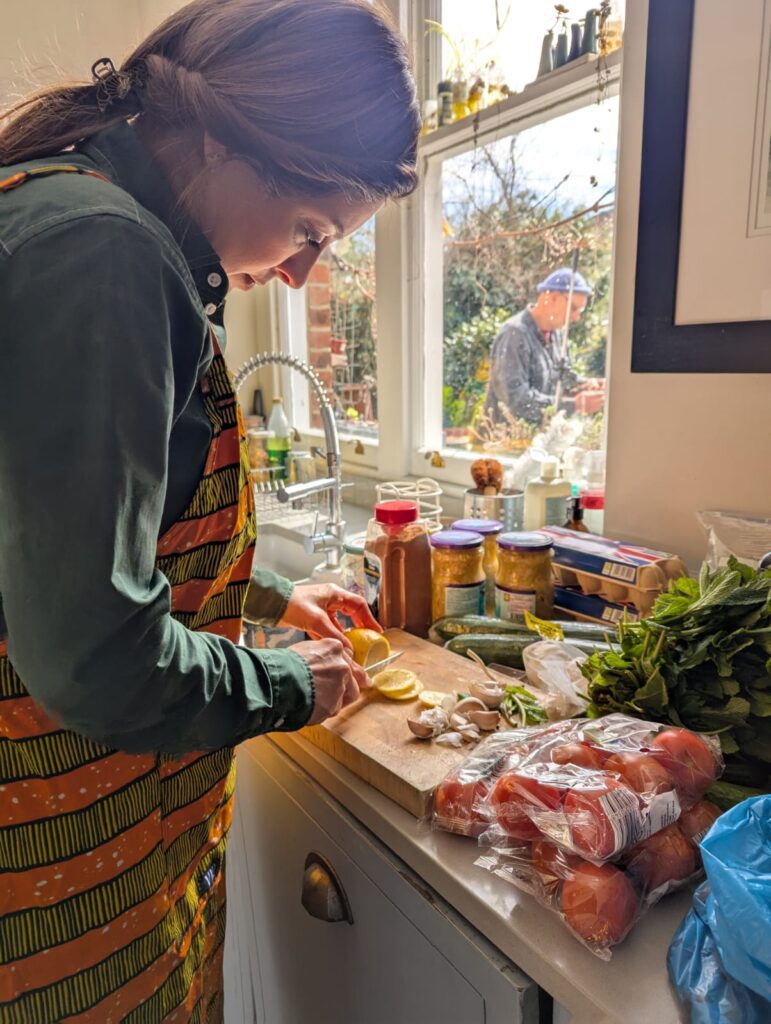
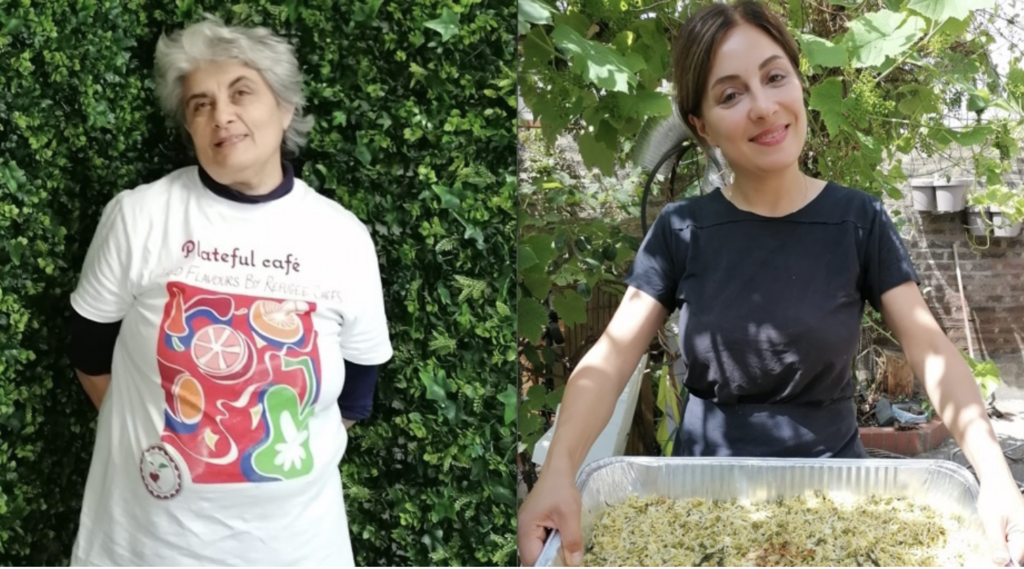
My Work Experience I’m Hadis, a Persian woman, who came to the UK around 4 years ago. I worked as a physiotherapist back home and hadn’t any experience working at a cafe before immigrating to the UK. My first experience working in a cafe started with Plateful Cafe, where I learned to work as a chef, barista, cashier and waitress; learning salesmanship and customer service skills. I learned how to prepare and cook several Syrian appetizers, main courses and desserts. Working there was a great opportunity to connect with international people, improve my English language and increase my confidence in the work environment of a new country. I was sad to be away from my family and homeland, but by being able to hold Iranian events here, I was able to show parts of my country’s culture, art, history and cuisine. Helping with my homesickness, these events had a positive effect on changing my mood. The Future With the experience and resume I gained there, I was able to apply for jobs at other cafes and get accepted. Finally, I would like to thank Iolanda for all her efforts and kindness in supporting us women to enter the workforce and earning money to have a better life. I hope she is always successful on her path and receives more support.
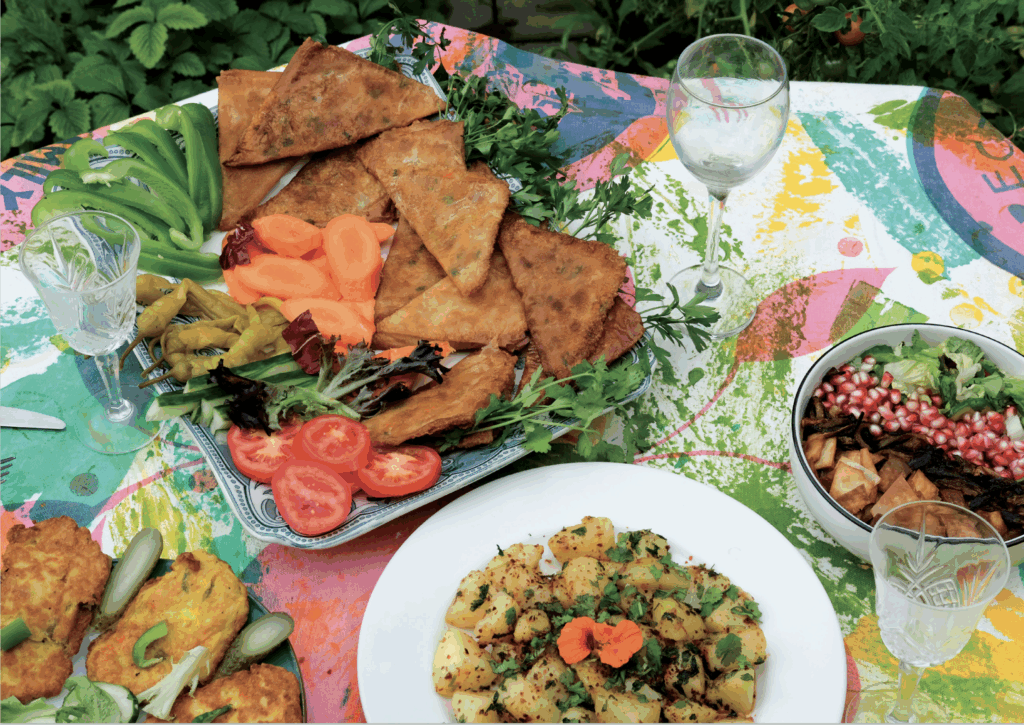
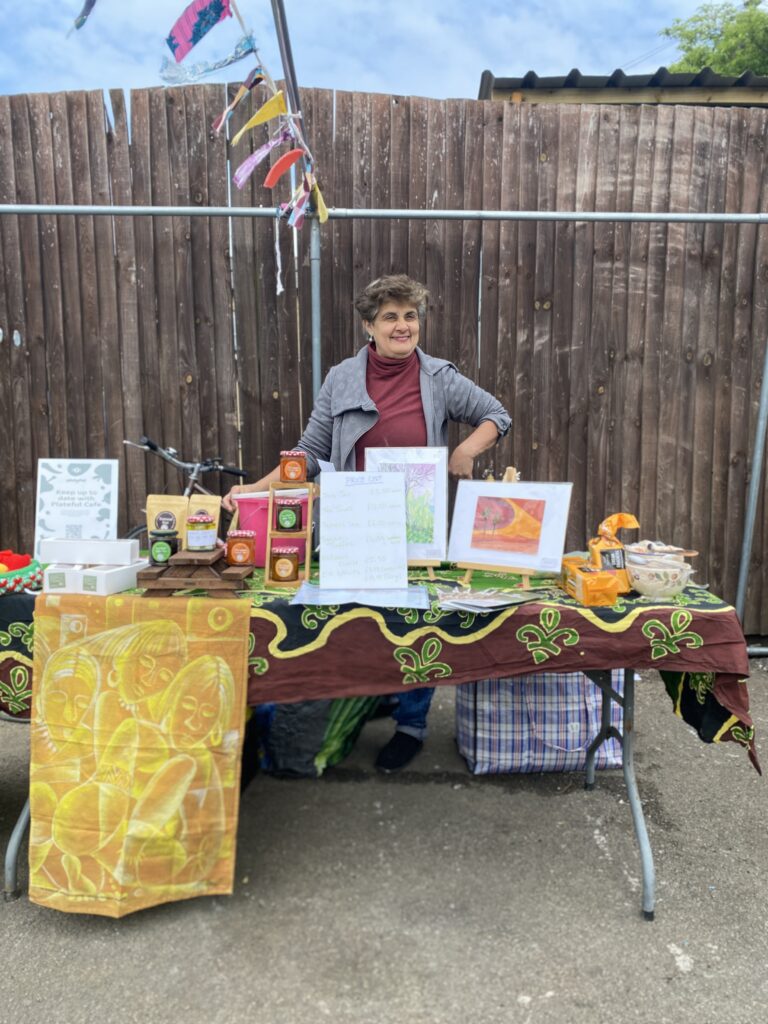
Setting up our stall This Easter Sunday, we had the absolute pleasure of setting up a Plateful Café stall at SET Social in Peckham, and what a lovely day it was. The atmosphere was relaxed, and we were surrounded by great people, great stalls and served plenty of delicious food. We dished up a special menu comprising of wraps and side dishes made by our amazing chef, Nahed, who truly delivered and cooked most of the hot food fresh to order on the day. The feedback on the food was incredible, and it’s always a joy to see people enjoying the meals our chefs work so hard to prepare. All the food we make helps refugees earn a London Living Wage while building skills and confidence that support their integration into the local community. One of the best parts of the day was seeing people pause to chat with Nahed, asking about the dishes and thanking her for her food. Moments like this, where food becomes a bridge between cultures and people, mean we are fulfilling our mission! It meant so much to see our chef not just cooking, but connecting. We also had some delicious bites for sale, prepared by Saleh, one of the talented chefs we’re lucky to work with at Plateful Café. Originally from Yemen, Saleh is currently seeking asylum in the UK after fleeing oppression and threats to his safety. His story is powerful, and what stands out most is his passion for food. Cooking has been a lifelong love for him; something that began in his childhood kitchen in Yemen and grew into a career as a chef. His crispy slightly spicy potato bites were a popular hit with everyone thoroughly enjoying them. He dreams of studying culinary arts here in the UK, opening his own restaurant, and one day publishing a cookbook that blends Yemeni flavours with international cuisine. It was a pleasure to try some of his creations! Supporting Refugees Alongside all that, we brought some of our Plateful products to sell too, including our range of popular jams, teas, truffles and artwork, all made in-house with love by our chefs and volunteers. Every purchase is helping us continue supporting refugees through meaningful training, work, and creative expression – so thank you! If you were there, thank you for stopping by and making it special. And if you missed us, don’t worry, we’ll be popping up again soon!
A Taste of Syrian Cuisine Syrian cuisine is known for its diverse and flavourful taste reflecting the history and culture of the country. Examples of Syrian cuisine include: Hummus: A creamy dip made from blended chickpeas, tahini, lemon juice, and garlic. Kofta Kabab: consisting of grilled meat, the lamb is mixed with garlic and parsley, grilled and served. Falafel: made of cilantro, yellow onion, garlic gloves, cumin and coriander. These dishes are not only delicious, they are also rich in flavour and traditional spices. Kibbeh is considered to be the national dish of Syria, this dish is made from onion, ground beef or lamb, burgul, onion puree and spices, the dough is processed, whilst all ingredients are added to the burgul. The product is then baked, fried, cooked or grilled. At Plateful Café, every meal is a celebration of flavours, community, and creativity. All Syrian cuisine dishes have a story. It could be a cherished family recipe or a new chef or individual discovery, the food of Syria claims a rich cultural heritage and spirit. This means cooking which celebrates Syrian culture and community, but also cooking which brings together all communities and cultures here at Plateful Cafe. Please join us as we continue to explore this food adventure. Please stay connected for more recipes, stories, and culinary adventures. Also don’t forget to subscribe and follow us on Instagram for our latest updates!
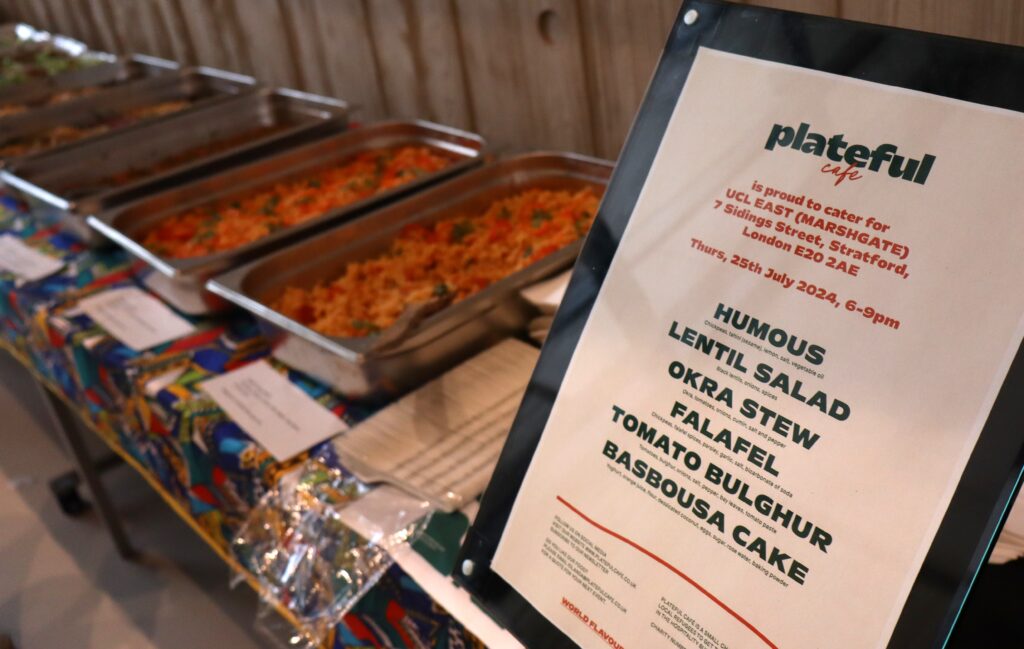
Helping Refugees in the Community Recently we had a piece about about the great work we’re doing at Plateful Cafe helping refugees, on South London News – South London Press & Mercury. Read a summary below or full article here. Celebrating our 1st Year Plateful Café, located in Lewisham, celebrates its one-year anniversary with pride. Founded by Iolanda Chirico, the café serves as a platform for refugees to display their culinary skills and offers a variety of cuisines to the local community for the sole aim of helping refugees. Operating three days a week, it provides meals, catering services, and sells artisan products. The café pays its cooks the London Living wage and relies on grants, donations, and trading income for sustainability. Ms. Chirico, along with a team of paid cooks and volunteers, has witnessed significant positive impacts on the refugees’ lives, including improved health, language skills, and confidence. Persian Festival Plateful Café recently hosted a Persian festival, showcasing the talents of chefs like Hadis a refugee, who left Iran and found a new life in the UK. The café’s bistro nights highlight different cultures through food, music, and staff contributions. These events offer the community a chance to enjoy diverse cuisines and reinforce the café’s commitment to helping refugees integrate and thrive.