There is a question that many Syrians living abroad have become tired of hearing: “Why haven’t you gone back to Syria? The dictator is gone. The country is liberated. What are you waiting for?”
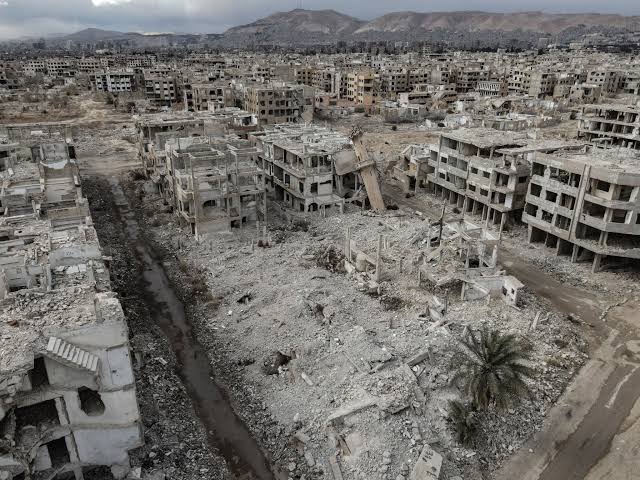
The fall of Bashar al-Assad’s government in December 2024 was a historic moment. But ending a government does not erase 14 years of war, destruction, displacement and economic hardship. Political change can happen in a day; rebuilding homes, schools, infrastructure, the economy and security takes years.
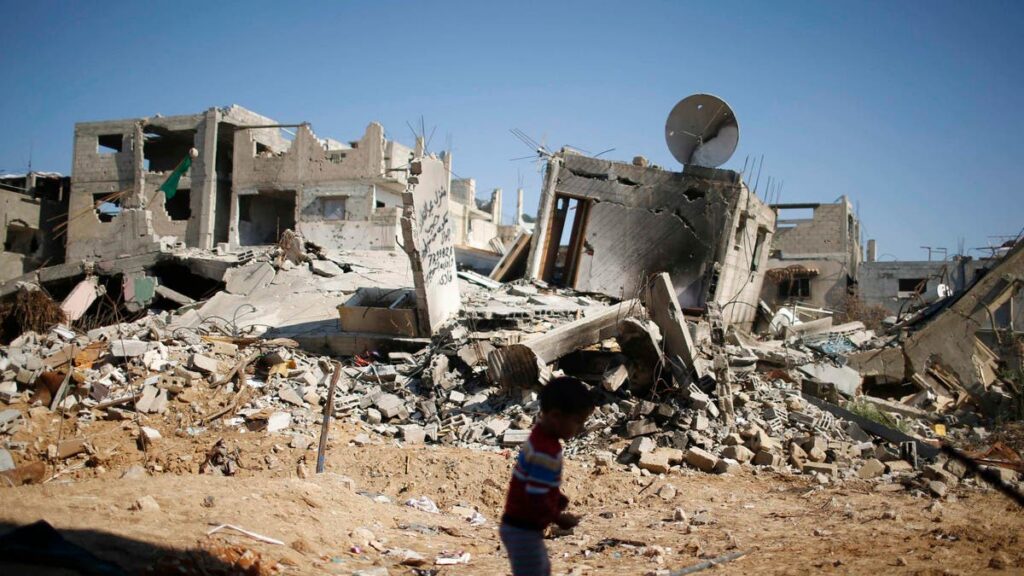
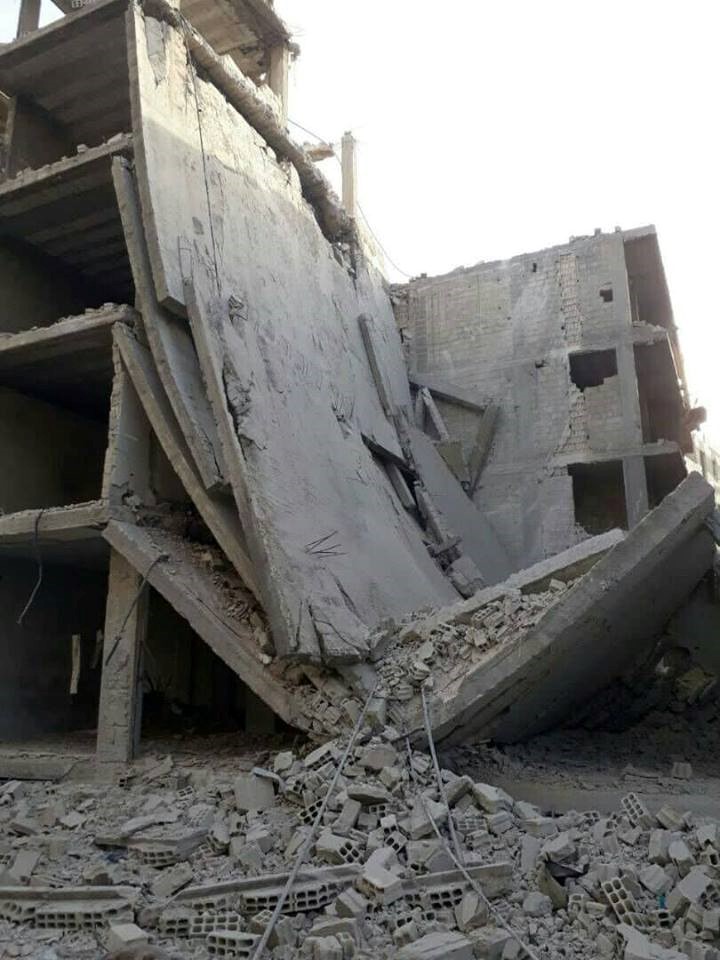
UNHCR estimates that around 328,000 homes were destroyed or severely damaged, with another 600,000 moderately or lightly damaged. The World Bank estimates about $33 billion in direct damage to residential buildings, within roughly $108 billion in total physical damage to buildings and infrastructure.
Behind every number is a family. If your home has been destroyed, “going back” may mean returning to rubble and starting your life again from zero.
Electricity and water supplies remain unreliable in many areas, while damaged infrastructure and fuel shortages continue to affect daily life.
These are not luxuries. People need somewhere to live, work, access water and electricity, buy food and stay warm.
More than 1.6 million people have returned to Syria since December 2024, according to UNHCR. But serious security challenges remain, including armed groups, unexploded ordnance, local conflicts and regional tensions. There has also been continuing Israeli military activity in southern Syria, including incursions and occasional strikes.
UNICEF estimates that around 324,000 unexploded devices remain across Syria. Weapons also remain widely present among parts of the civilian population, making full state control and long-term stability more difficult.
Returning home should mean returning to genuine safety—not simply returning to a different kind of uncertainty.
UNICEF estimates that around 2.45 million Syrian children are out of school, with more than one million more at risk of dropping out. Thousands of schools have been damaged or are not functioning properly.
Poverty also pushes some children into work. Children can be seen working in restaurants, shops, workshops and markets.
Parents naturally want their children to have a safe childhood, a proper education and a realistic future.
People who left Syria 14 years ago may now have careers, homes, spouses and children. Some children were born or educated in Britain, speak English more comfortably, have British friends and qualifications, and see their future here.
For many, Britain has become home.
Many Syrians have also obtained British citizenship. That does not erase their connection to Syria. It simply means that belonging can exist in more than one place.
Some Syrians who visit after many years even describe feeling like strangers in the country they once knew, because the people, neighbourhoods and circumstances have changed so much.
Every parent wants what they believe is best for their children. If a family feels safer, more stable and better able to educate their children where they currently live, it is understandable that they may hesitate to return. This is also a basic human instinct. War can happen to any country, and none of us can know with certainty how we would respond if our own home became unsafe.
Instead of asking, “Why are you still here?”, perhaps we should ask:
“What would you need in order to feel safe enough to return?”
Some Syrians are returning. Others are waiting. Some may never return. These are deeply personal decisions shaped by safety, stability, family needs and the lives people have built over 14 years.
Syria has a future, and Syrians can rebuild it. But rebuilding will take time. Homes, schools, water systems, electricity, jobs, security and public institutions all need to be restored.
For those of us who have rebuilt our lives in Britain, the question is not whether we love Syria. The question is:
“Where can my family have a safe, stable and sustainable future?”
Britain has become home for many of us. We have built our lives here, educated our children, learned the language, made friends, worked, contributed to society and, for many, become British citizens.
That does not mean we have stopped loving Syria.
A refugee is not someone who stopped loving their country. A refugee is someone whose circumstances forced them to build a life somewhere else.
Perhaps it is time to stop asking, “Why haven’t you gone back?” and instead remember that, under different circumstances, any one of us could find ourselves making the same decision to protect our family.
By Waeed.